Roman Open Bazaars and Vintage Stalls along Porta Portese
Originating around 1945 along the banks of the Tiber in Trastevere, Porta Portese remains Rome’s most sprawling Sunday gathering for second-hand apparel, artisan leatherwork, and classic Italian tailoring.
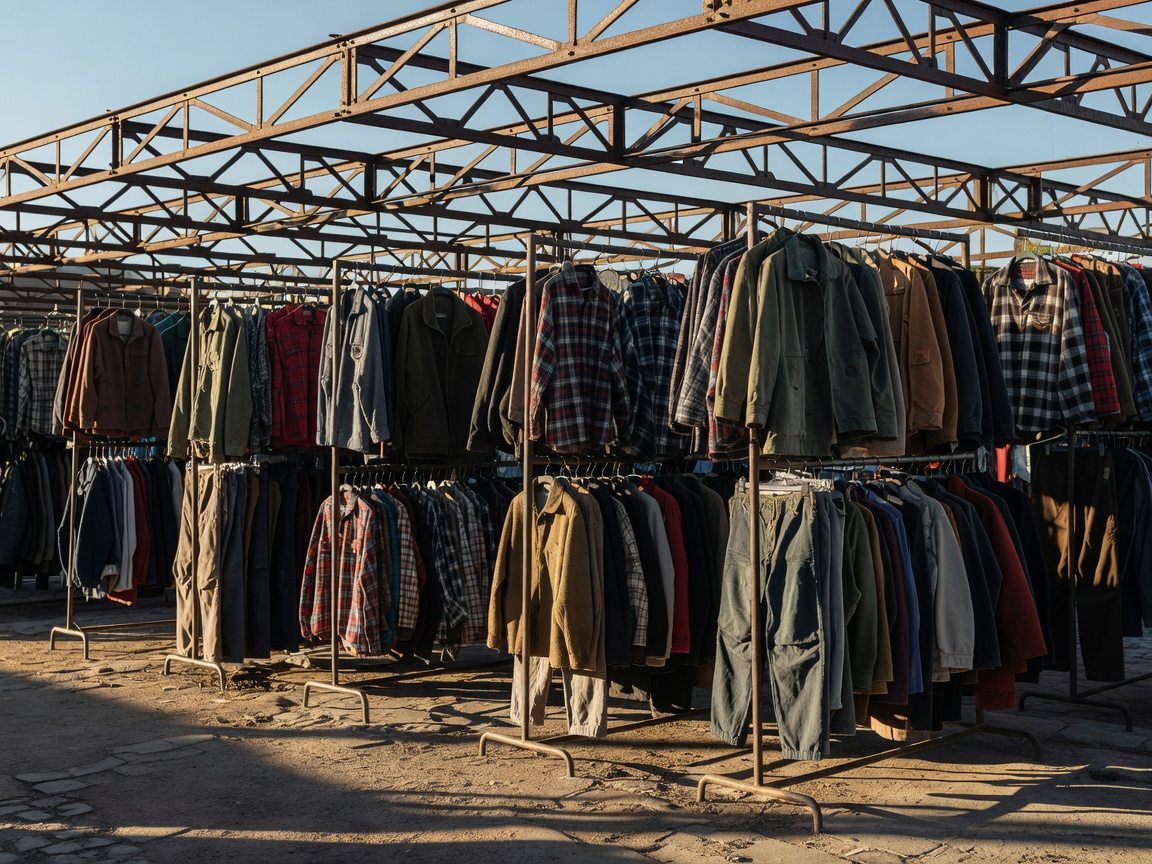
The Scale and Rhythm of the Trastevere Perimeter
Operating every Sunday from sunrise until early afternoon, Porta Portese encompasses hundreds of makeshift stalls spanning Via Portuense, Via Ippolito Nievo, and Piazza Ippolito Nievo. The environment is boisterous, unfiltered, and deeply rooted in Roman working-class commerce.
Unlike curated European boutiques where prices reflect meticulous cataloguing, Porta Portese still offers genuine treasure hunting. Heaps of clothing piled onto trestle tables allow patient buyers to unearth vintage Italian luxury goods alongside everyday linen shirts and utilitarian leather outerwear.
Italian Tailoring: Soft Shoulders and Mediterranean Drape
Where British tailoring prizes rigid chest padding and heavy horsehair canvas, classic Italian tailoring—particularly from Roman and Neapolitan schools—favours light, unconstructed softness. The warm Mediterranean climate necessitated garments that allow air movement while preserving sharp silhouettes.
At Porta Portese, discerning seekers look for sports jackets featuring the distinctive spalla camicia (shirt-sleeve shoulder), where fabric is gathered delicately into the armhole without heavy shoulder padding. These jackets employ fine tropical wools, silk-linen blends, and high-twist wool frescolana. The result is an elegant, relaxed drape that contours naturally to the body.
Sourcing Italian Leathercraft
Italy’s leather tanning heritage in Tuscany and the Veneto left an indelible mark on mid-century market racks. Common finds include:
- Gloving Lambskin Jackets: Supple, buttery leather cuts from the 1970s and 1980s, finished with silk or cupro linings that remain extraordinarily lightweight.
- Vegetable-Tanned Belts and Satchels: Heavy hide accessories finished with cast brass buckles, showing the deep honeyed patina of organic tree-bark tanning.
- Suede Overshirts: Velvety split-suede blousons offering natural wind resistance with casual Mediterranean drape.
Five-Step Assessment for Roman Leather & Silk
Suppleness Test
Roll the leather edge gently between fingers. If the grain shows cracking or stiff dry resistance, structural fibres have suffered irreversible desiccation.
Lining Integrity
Check the inner wrist cuffs and collar bands of leather blousons, where sweat and friction routinely erode fragile acetate linings.
Silk Weight & Weave
On vintage ties and scarves, look for heavy twill silk with hand-rolled edges (orlo a mano), confirmed by subtle irregular needle spacing.
Navigating Porta Portese with Confidence
Because the market is intensely crowded, practical preparation ensures an effective excursion. Early arrival at 07:30 allows inspection before the heat and density peak. Carry exact euro currency, secure valuables in interior zipped pockets, and be prepared to inspect seams thoroughly beneath natural morning light before committing to purchase.